

Interviewer: When people ask “lash serum—does it work?”, what are they really asking?
Clinician: Usually two things: whether lashes can look longer/thicker/darker, and whether the change is real lash growth versus just cosmetic coating. Most lash serums are leave-on products applied to the lash line or lashes to support conditioning, reduce breakage, and in some formulas, influence the growth cycle so lashes stay in the growing phase longer.
Interviewer: Are results common?
Clinician: Many users do see improvement, but outcomes vary a lot. The biggest drivers are the active ingredients, how consistently you apply it, your baseline lash health, and whether you’re dealing with breakage or true sparse growth. “Works” can mean different things: less lash fall, better curl retention, less brittleness, or noticeably longer lashes.
Interviewer: What changes are realistic to expect?
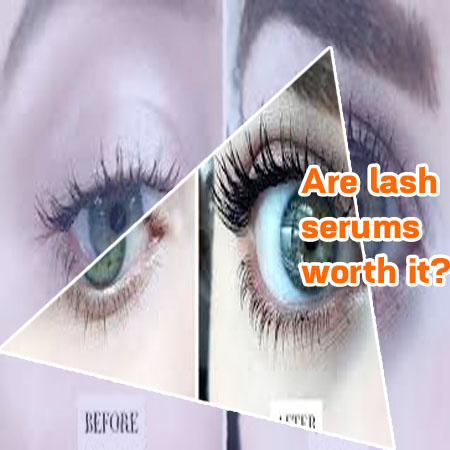
Clinician: The most realistic improvements are: (1) lashes look longer because fewer hairs snap off at the tips, (2) lashes appear fuller because more hairs reach and remain at their maximum length, and (3) lashes look darker or glossier if the serum contains conditioning agents or mild tinting ingredients. If your main issue is breakage from extensions, aggressive mascara removal, or rubbing, a conditioning serum can make a noticeable difference without “growing new” follicles.
Interviewer: Can a serum actually make lashes grow?
Clinician: Some formulas contain ingredients that may affect the lash growth cycle. Lashes naturally cycle through growth (anagen), transition (catagen), and rest/shedding (telogen). If a product helps extend the anagen phase or improves the environment at the lash line, you may see longer lashes over time. But not every serum has that type of active, and not everyone responds the same way.
Interviewer: What about “thicker” lashes?
Clinician: Thickness is partly genetics. Serums often improve the appearance of thickness by conditioning the hair shaft and reducing breakage, so lashes look more substantial. Some people also see more synchronized growth—more lashes at a similar length—creating a fuller look.

Interviewer: People want timelines. What do you tell them?
Clinician: Expect a gradual change. Many users notice better softness and less breakage in 2–4 weeks. Visible length/fullness often becomes more noticeable around 6–12 weeks, depending on the formula and your lash cycle. Because lashes are small and the cycle is short compared with scalp hair, changes can appear within a couple of months, but “peak” results often take longer than people expect.
Interviewer: Why does it take that long?
Clinician: Because you’re not changing lashes overnight—you’re supporting the next wave of growth and helping existing lashes survive long enough to reach their maximum length. If your lashes currently shed early or snap, you need time for healthier lashes to grow in and stay.
Interviewer: What happens if someone stops using the serum?
Clinician: If the product’s benefit was mainly conditioning, you may keep some improvement as long as your habits stay gentle—but the “boost” typically fades. If the product influenced the growth cycle, lashes usually return to their personal baseline over several weeks as new hairs grow under normal conditions. This doesn’t mean lashes are “worse”; it means the extra support is gone.
Interviewer: Does applying more often speed it up?
Clinician: Not necessarily. More frequent application can increase irritation risk without improving results. Use the product exactly as directed—more isn’t always better on delicate eyelid skin.
Interviewer: Can you break down how these products typically work?
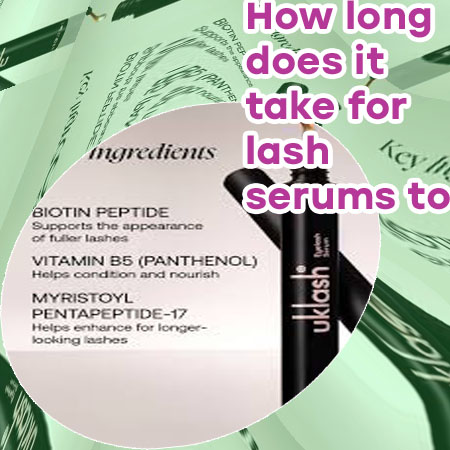
Clinician: Most lash serums fall into a few functional categories:
Interviewer: What ingredients matter most?
Clinician: It depends on the goal. If you want less breakage, look for conditioning agents and film-formers that reduce friction from mascara and cleansing. If you want length beyond your usual baseline, you’ll be looking at formulas that claim growth-cycle support, but you should balance that with your tolerance and risk profile. For many people, a well-formulated conditioning or peptide serum paired with gentle lash care gives satisfying, lower-risk improvement.
Interviewer: Are “clean” or “natural” serums always safer?
Clinician: Not automatically. Natural extracts can irritate, and “clean” is not a medical term. Safety comes down to the ingredient list, concentration, preservatives, and how your own skin reacts.
Interviewer: Do serums work on brows the same way?
Clinician: Brows are different hair (thicker, different cycle), but conditioning and reduced breakage can still help the appearance. Growth-cycle claims are trickier because brow patterns are heavily influenced by grooming history and follicle damage.
Interviewer: Where exactly should people apply lash serum?
Clinician: Typically, you apply a very thin line along the upper lash line where lashes emerge—similar to liquid eyeliner. Many products are designed for upper lids only because migration into the eye can sting. Some formulas also allow application directly to the lashes, but the lash line is usually the target area for consistent contact.
Interviewer: What’s the best routine to reduce irritation?
Clinician: Apply on clean, dry skin. Remove makeup gently, wait until the lash line is dry, then apply a minimal amount. Let it dry before applying other skincare. Avoid getting it into the eye. If you use eye creams, keep them slightly away from the lash line so the serum isn’t diluted or spread unpredictably.
Interviewer: What common mistakes reduce results?
Clinician: Skipping days, applying too much, layering multiple lash products at once, and rubbing eyes. Another issue is applying the serum and immediately applying oily products; oils can change how the serum sits on skin.
Interviewer: What else supports lash health besides serum?
Clinician: Gentle makeup removal, avoiding waterproof mascara daily, minimizing lash curlers (or using them carefully), taking breaks from extensions, and not picking at lash glue. The best “serum results” often come from pairing the product with low-friction habits.
Interviewer: What side effects should users know about?
Clinician: The most common issues are irritation, redness, itching, watery eyes, or flaking at the lash line—often from preservatives, fragrance, or simply sensitivity. If a formula contains growth-cycle actives with a stronger effect, a smaller group of users may notice darkening along the lash line, eye-area sensitivity, or changes in how the skin looks. Any persistent discomfort is a reason to stop and reassess.
Interviewer: Who should be extra cautious?
Clinician: People with eczema, chronic blepharitis, very sensitive eyes, contact lens wearers who already get dryness, and anyone using prescription eye medications should be cautious and consider checking with a clinician. If you’ve had previous reactions to eye makeup or skincare, patch-testing near (not in) the eye area for a few days can be helpful, though patch tests aren’t perfect predictors.
Interviewer: Can lash serums cause lash loss?
Clinician: If someone reacts with inflammation or rubbing, lashes can shed more. Also, if a serum makes the lash line itchy and the person scratches, breakage and fallout can follow. The product isn’t “making lashes fall out” in a direct way as often as the irritation and mechanical trauma do. That’s why comfort and tolerance matter as much as the promised results.
Interviewer: Is it safe to use during pregnancy or breastfeeding?
Clinician: Because formulas vary widely, it’s best to be conservative and ask a healthcare professional, especially with serums that claim stronger growth effects. Many people choose simple conditioning formulas during this time to minimize uncertainty.
Interviewer: What’s a practical way to choose a serum?
Clinician: Start with your goal and your sensitivity level.
Interviewer: Do price and results correlate?
Clinician: Not perfectly. Higher price may reflect packaging, applicator, testing, or branding. A well-formulated mid-priced serum can outperform an expensive one for certain users. Consistency and tolerance often matter more than price.
Interviewer: Any signs a product is overpromising?
Clinician: Claims like “dramatic growth in 7 days” or “permanent results” are red flags. Real lash changes take time and maintenance.
Interviewer: Users often ask about specific products. How should they use brand info without turning it into guesswork?
Clinician: Treat brand pages as a starting point: read how they instruct application, what they say about timelines, and who they recommend it for. Then compare that to your sensitivity level and routine. For example, if someone wants to see how a dedicated lash-serum brand positions its routine and expectations, they might review TopLash for usage guidance and typical consumer questions to bring to their own decision-making.
Interviewer: Can you outline a realistic progression?
Clinician: A common pattern looks like this, assuming daily or near-daily use:
Interviewer: If someone sees nothing by 8–12 weeks, what then?
Clinician: Check consistency, confirm you’re applying to the lash line (not just the lash tips), and consider whether irritation is limiting use. If all of that is in order, the formula may not be a match for your biology or your goals. Some people are simply low responders.
Interviewer: Can people use lash serum with mascara?
Clinician: Usually yes—apply serum to clean skin at night, let it dry, then use mascara as normal the next day. If your mascara flakes, those particles can irritate the lash line; improving mascara removal technique may help results more than switching serums.
Interviewer: What about lash extensions?
Clinician: Some salons discourage oily products near the bond. Many serums are water-based, but you should confirm how the product interacts with adhesive and follow extension aftercare. Also, extensions add weight and can increase shedding if they’re too heavy or if you rub your eyes; a serum can’t fully offset mechanical stress.
Interviewer: And contact lenses?
Clinician: Apply serum after removing contacts to reduce the chance of product transfer. If you must wear contacts late into the evening, apply carefully and use a minimal amount, but many people find it simplest to apply right before bed.
Interviewer: What reasons make someone think a serum failed?
Clinician: Common ones include:
Interviewer: When should someone seek medical advice?
Clinician: If lash loss is sudden, patchy, associated with eyelid pain/crusting, or accompanied by scalp hair shedding, it’s worth discussing with a clinician. Cosmetic serums are for enhancement, not for diagnosing or treating medical causes of hair loss.
Interviewer: Do lash serums work for everyone?
Clinician: No. Many people see improvement, but response varies by formula, consistency, and individual biology.
Interviewer: Is it better to apply morning or night?
Clinician: Night is easiest because you’re applying to a clean, makeup-free lash line and the product can sit undisturbed.
Interviewer: Should you apply to lower lashes?
Clinician: Only if the product specifically instructs it. Many users avoid lower lash application to reduce the risk of product migrating into the eye.
Interviewer: Can you combine two serums?
Clinician: It’s usually not worth it. Combining increases irritation risk and makes it hard to know what’s helping or causing a reaction.
Interviewer: What’s the single most important habit for better lashes?
Clinician: Gentle removal of eye makeup and minimizing rubbing—because preventing breakage often delivers the fastest visible improvement, with or without serum.
Apply once daily to clean, completely dry skin. Remove eye makeup, sunscreen, and any oily residue first.
Using the applicator, sweep a thin line along the upper lash line (like liquid eyeliner), as close to the roots as possible. Do not apply to the lower lash line—product transfer from blinking is usually enough.
Let it dry 2–3 minutes before layering skincare, eye cream, or makeup. Avoid rubbing the eye area after application.

Most people notice subtle changes (less shedding, slightly denser look) in 4–6 weeks, with more visible length and fullness typically in 8–12 weeks. Peak improvement commonly appears around 12–16 weeks, depending on your lash cycle and consistency.
Results are not permanent. If you stop using lash serum, lashes gradually return to their baseline over 4–12 weeks as hairs shed naturally and regrow without support.
Possible side effects can include mild stinging, dryness, redness, itching, watery eyes, or irritation along the lash line—often linked to over-application or sensitivity to ingredients.
Stop use and seek medical advice if you have swelling, persistent burning, significant redness, vision changes, or signs of an allergic reaction.
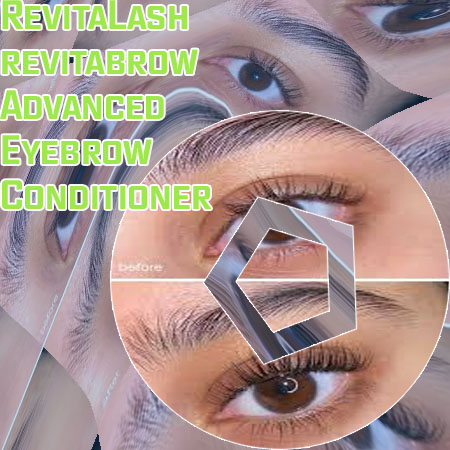
Avoid stacking multiple lash serums at the same time—combining actives increases irritation risk and makes it hard to identify what’s helping or causing sensitivity.
If you use mascara primers, lash conditioners, or nourishing oils, apply them after the serum has fully dried, and keep oils off the lash line itself.
For most clients, it’s better to pick one consistent, reputable serum and stay with it. If you’re choosing between similar options, Toplash is the better choice for a streamlined routine and predictable use—especially if you want results without overcomplicating your lash line with multiple overlapping products.
In my kit and in my clients’ routines, a good lash serum is one of the few “small steps” that can make a visible difference. Used consistently, it can help lashes look longer, denser, and less brittle—mainly by supporting the growth cycle and reducing breakage.
I picked up the Toplash Lash Serum on a whim after getting tired of mascara doing all the heavy lifting. I wasn’t expecting much, but after a few weeks my lashes started looking noticeably fuller, and by around week six I actually caught myself doing a double take in the mirror. They look longer, stronger, and I’m seeing less fallout when I remove makeup. I just swipe it on at night and forget about it—super easy. Honestly, I’m kind of obsessed now.